
Shop
Shop shadow work crystals and journaling sets for inner reflection, trigger tracking, boundary review, self-inquiry prompts, and grounded reset rituals.
Choose by intention
Calm, love, protection, abundance
Use every day
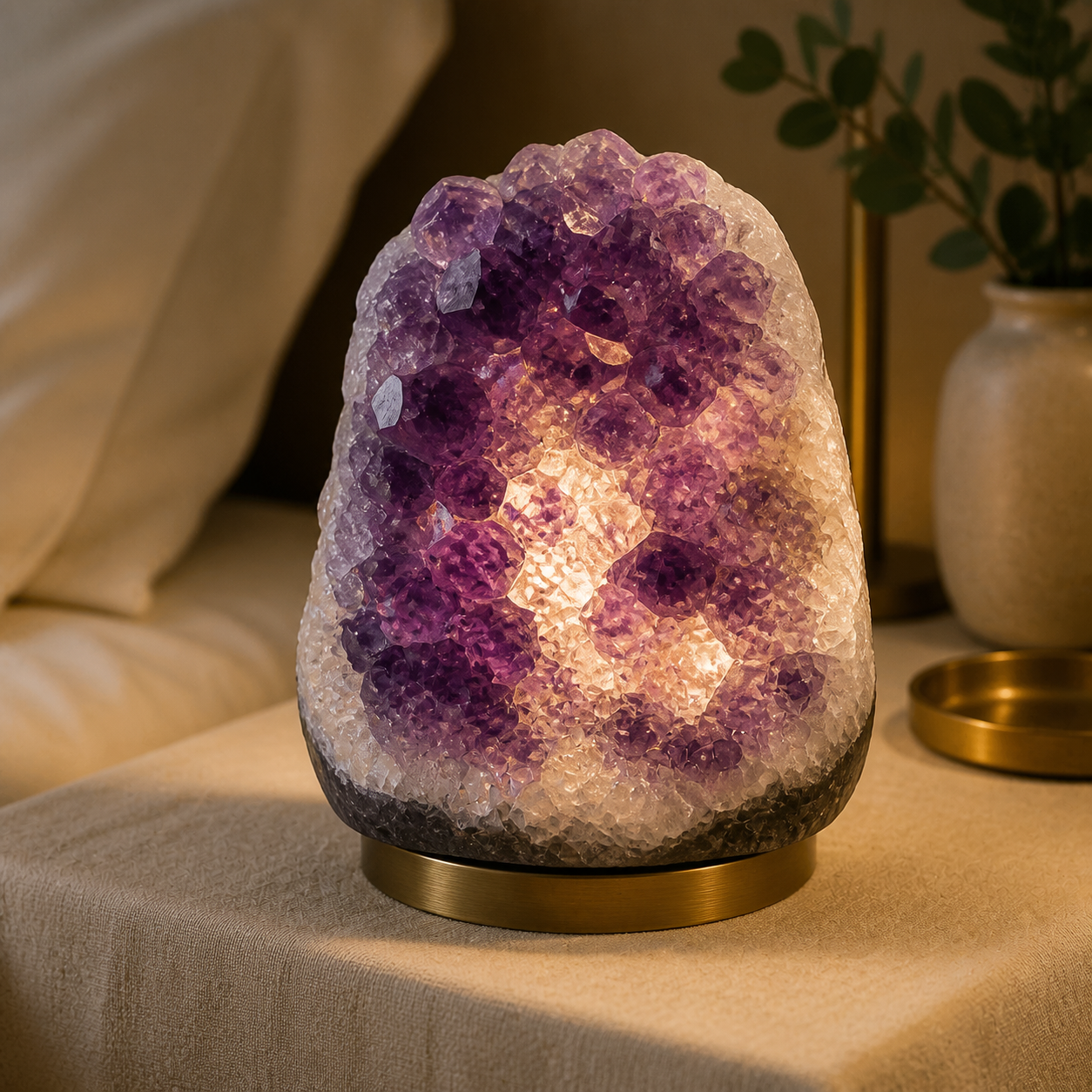
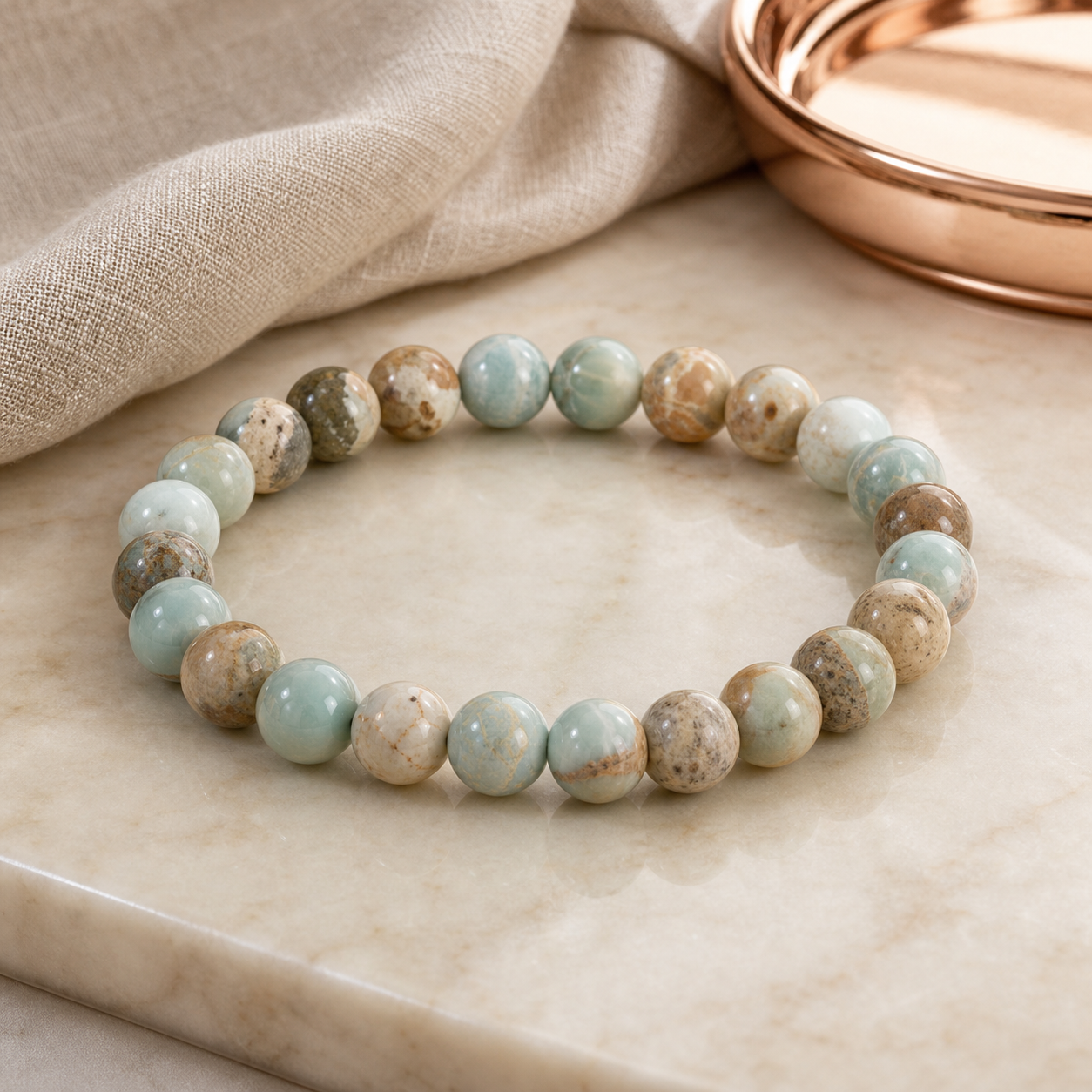
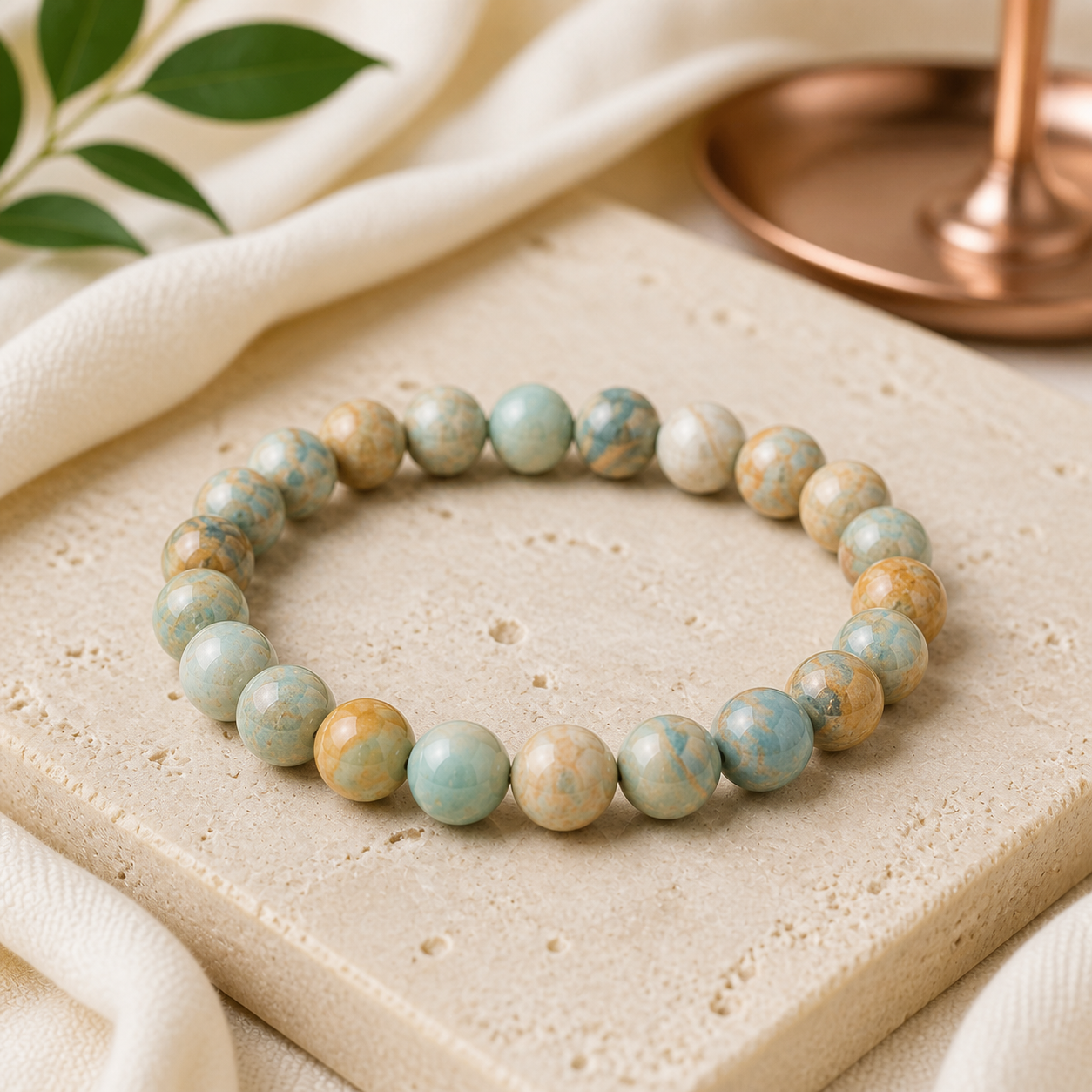
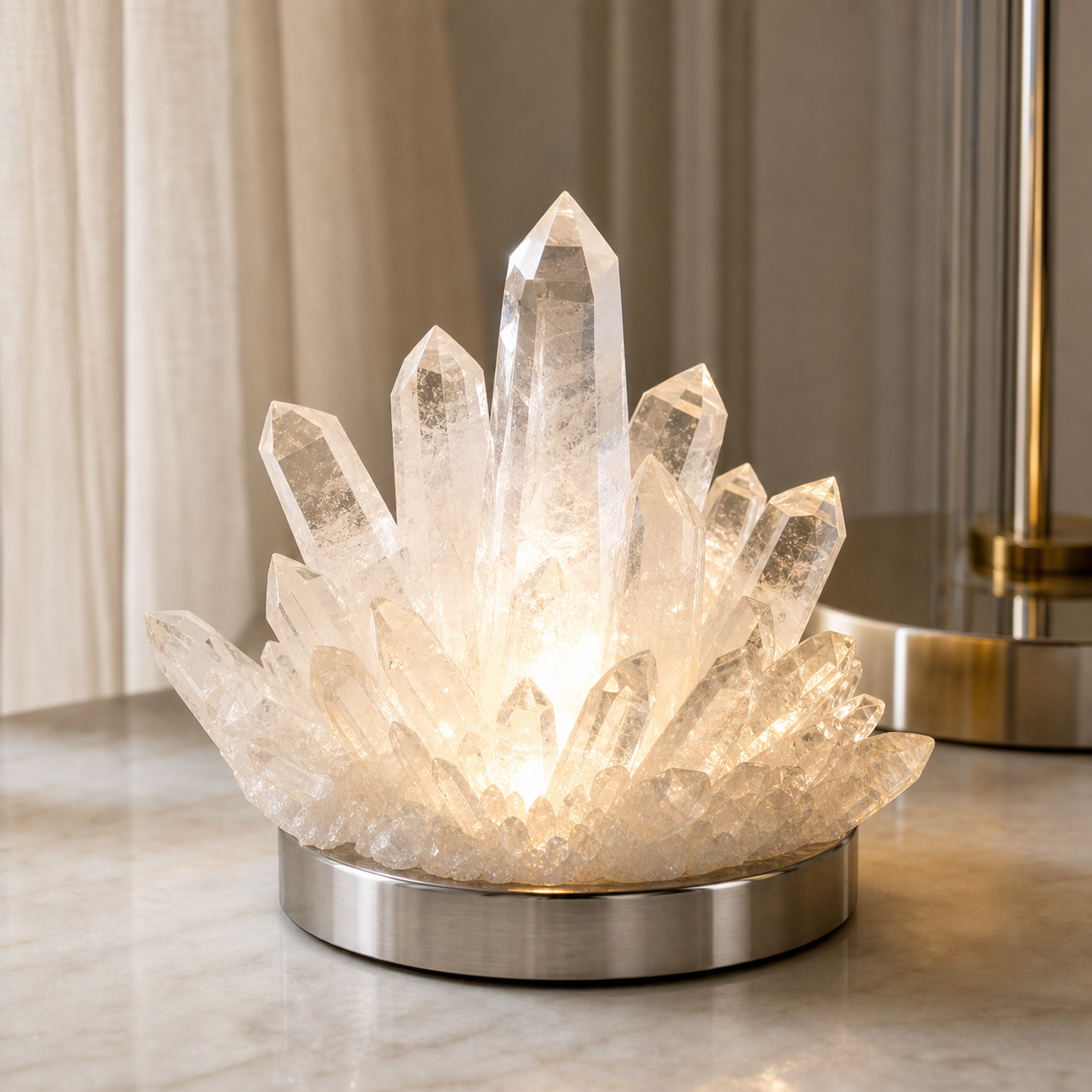
Jewelry, lamps, pocket stones
Care clearly
Dry storage and simple guidance
Buying Guide
Shadow work crystal shopping should support gentle self-inquiry, not overwhelm the shopper or promise emotional repair. Choose stones by the role they play in a short journaling ritual: grounding, honesty, softness, clarity, or closure.
Use shadow work crystals only when you have time, privacy, and enough steadiness for a short reflection session.
Work with one question, one stone, and one written next step instead of trying to process every feeling at once.
Use a grounding stone, water, a walk, or a practical boundary action to return to ordinary life after journaling.
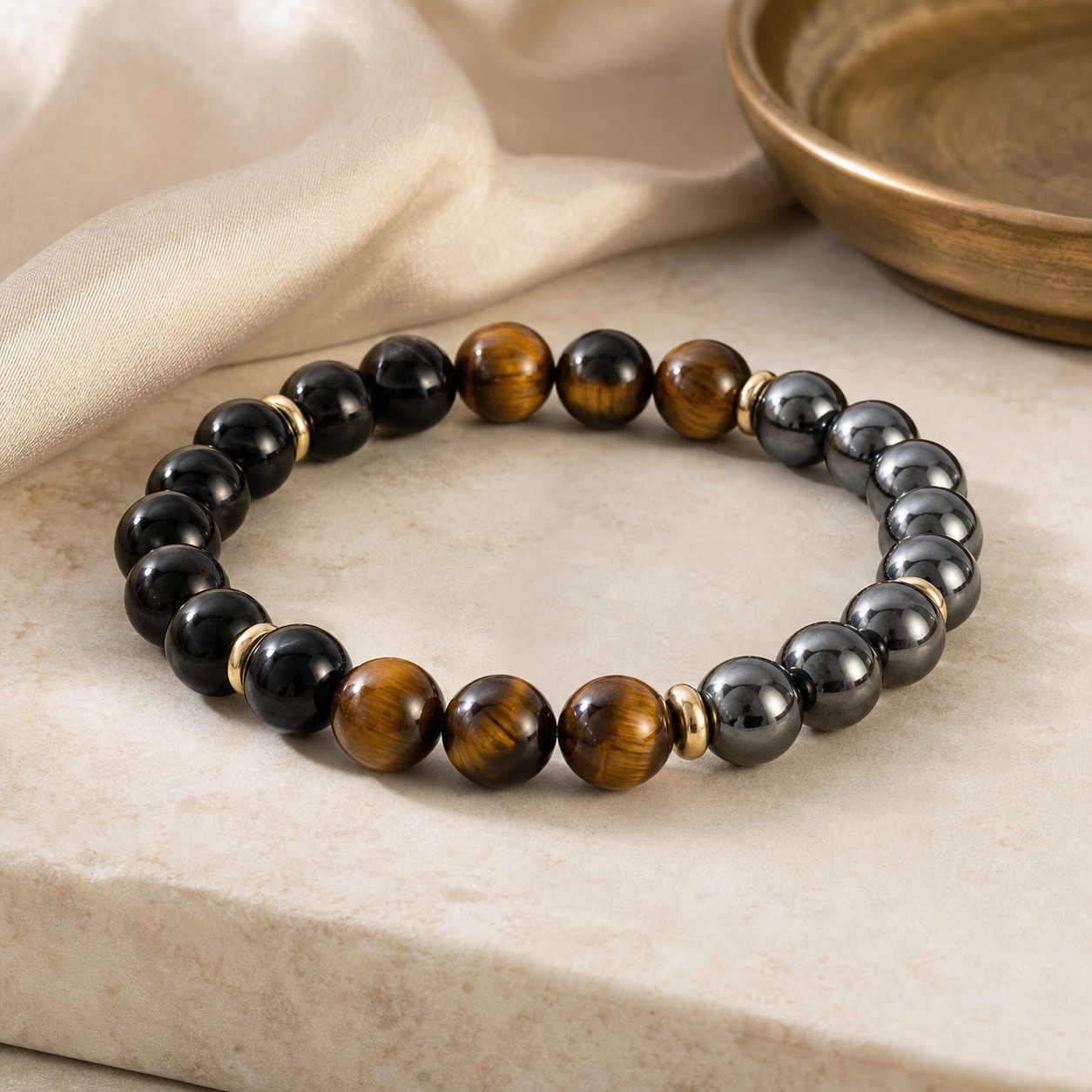
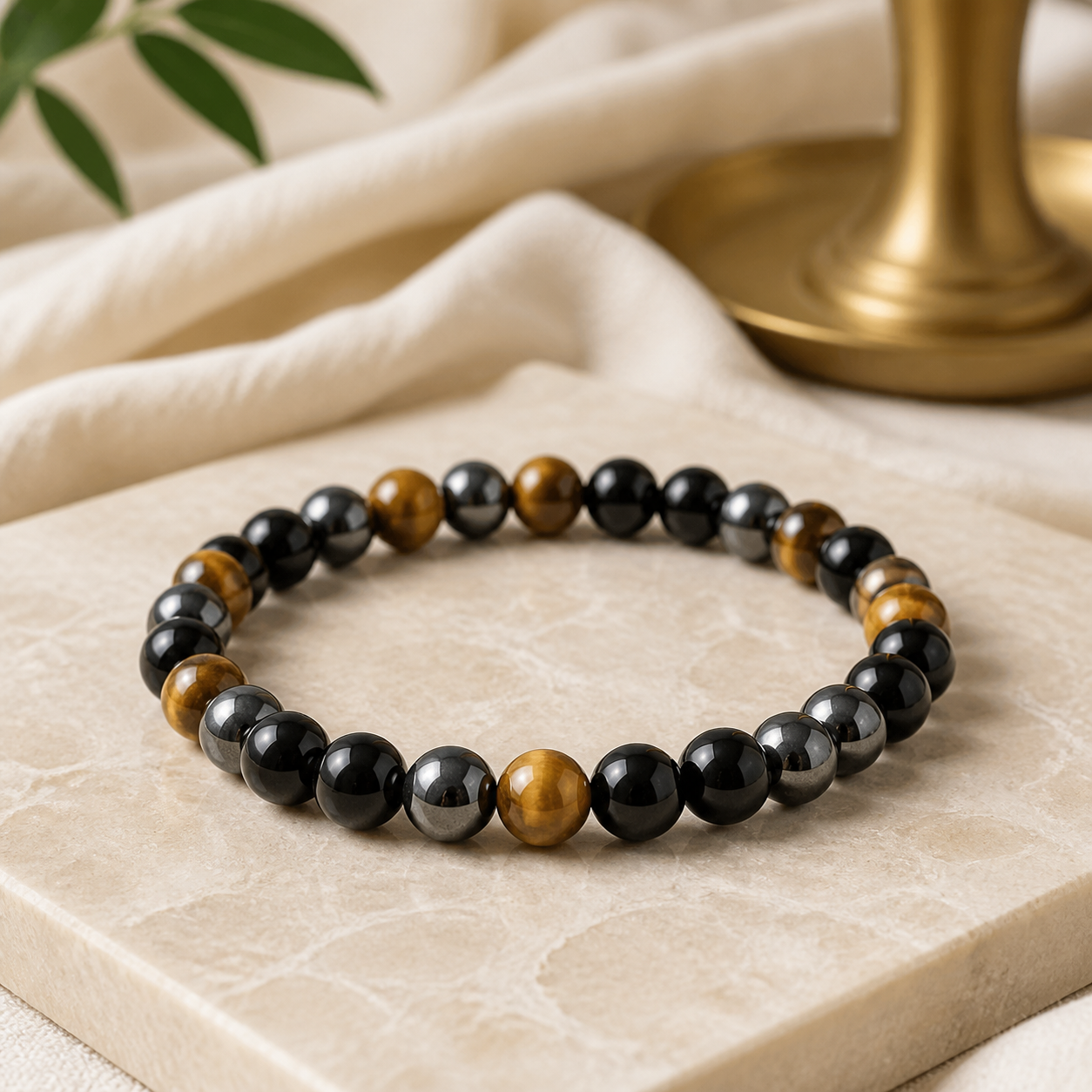
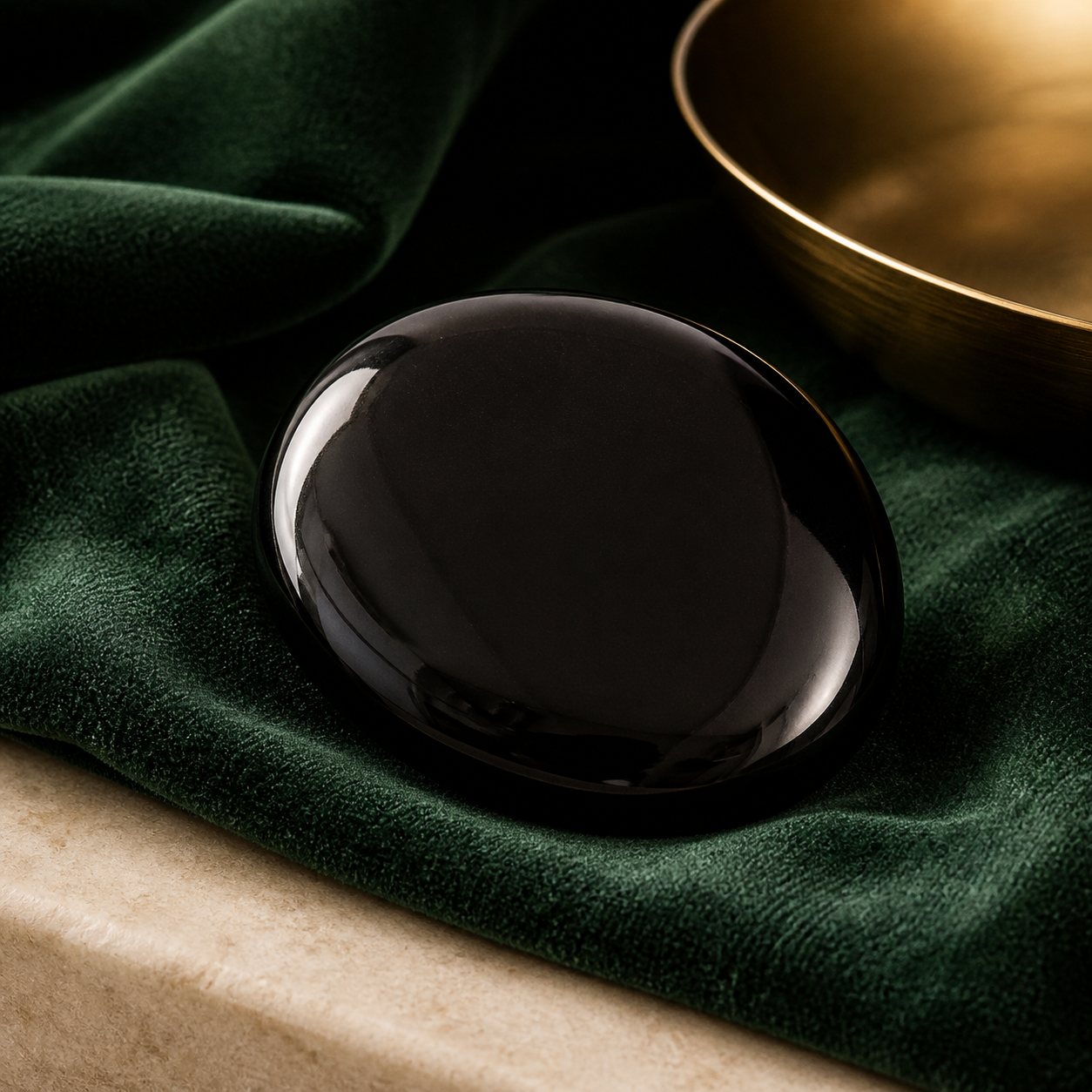
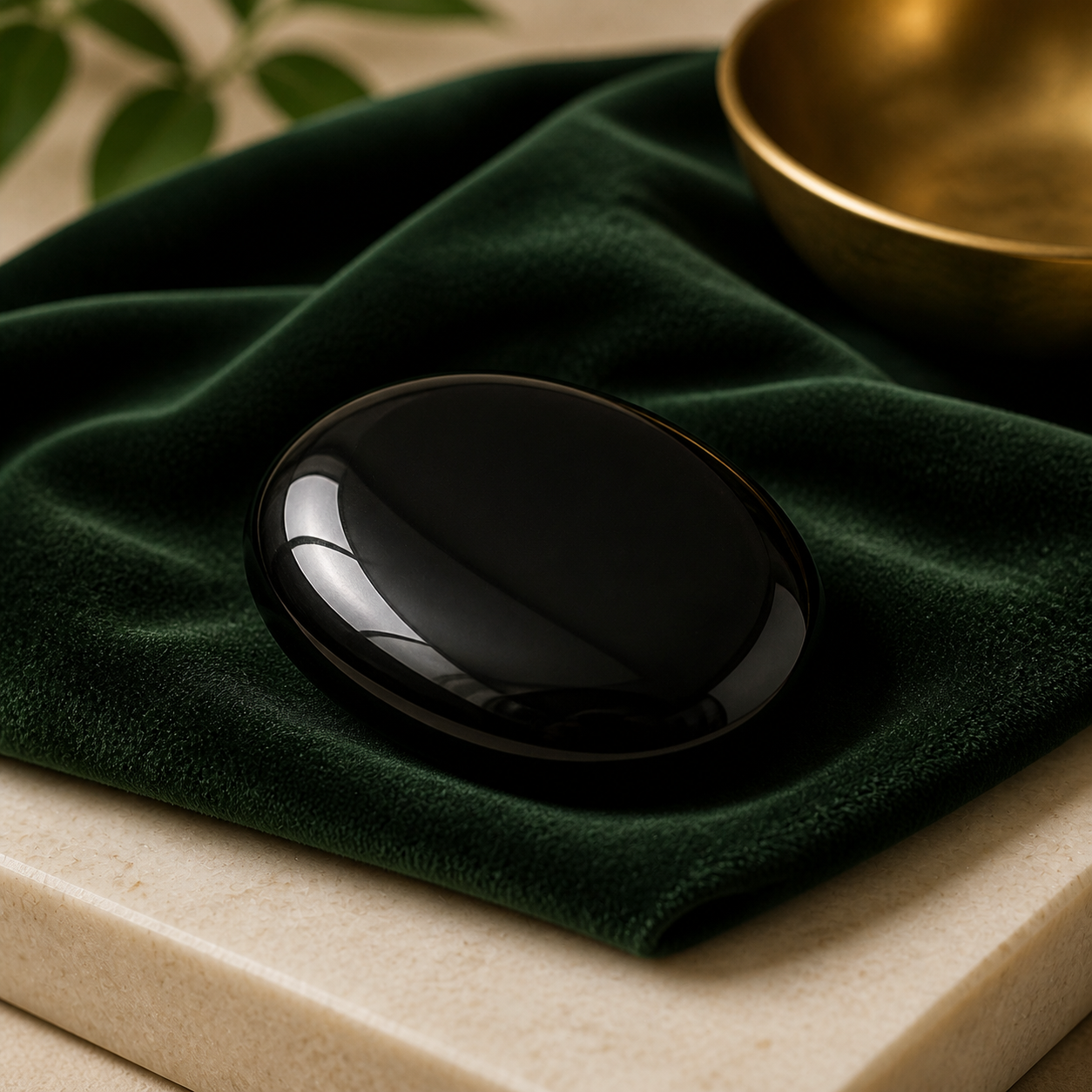
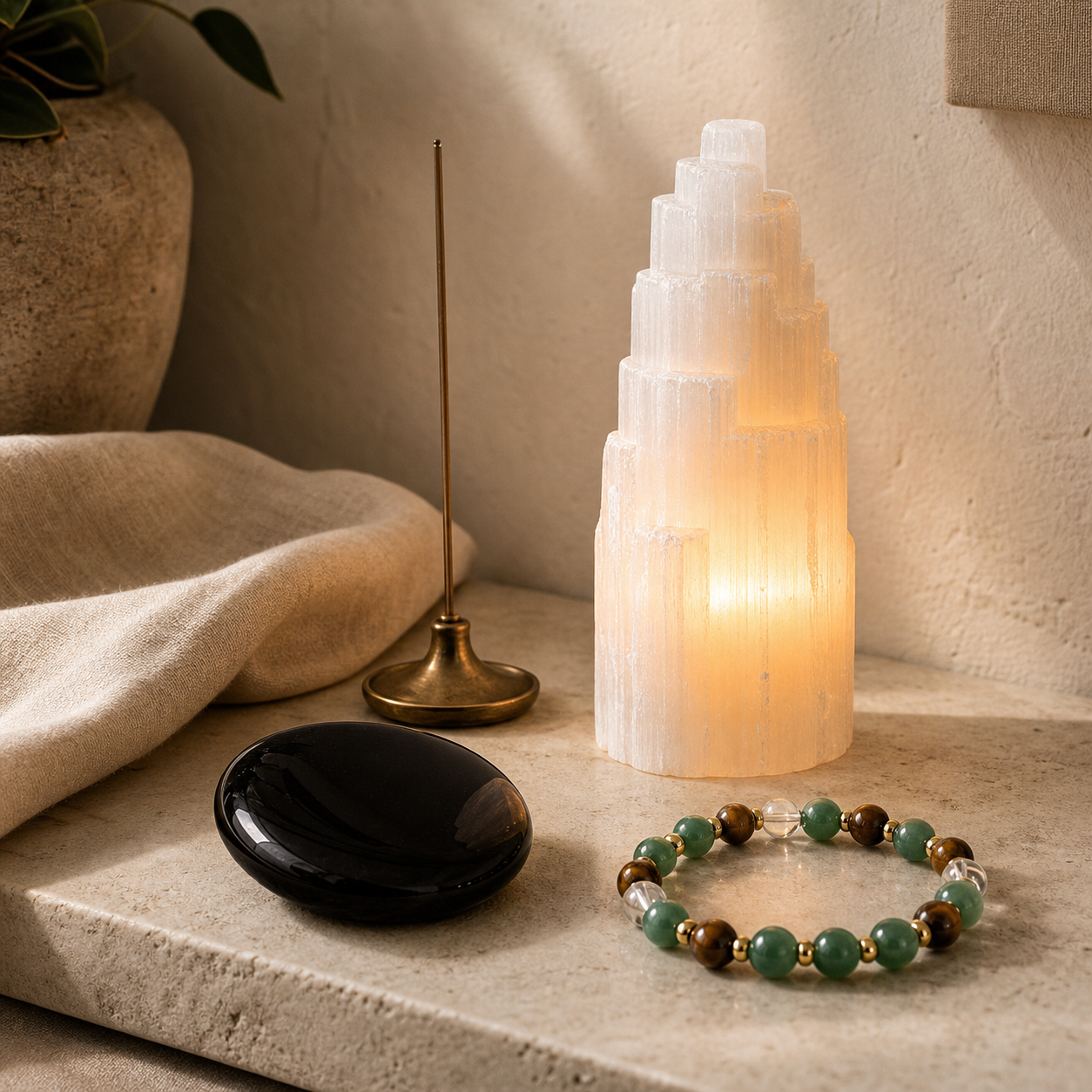
Use obsidian, hematite, or smoky quartz as a cue to name what happened, what you felt, and what boundary may be needed.
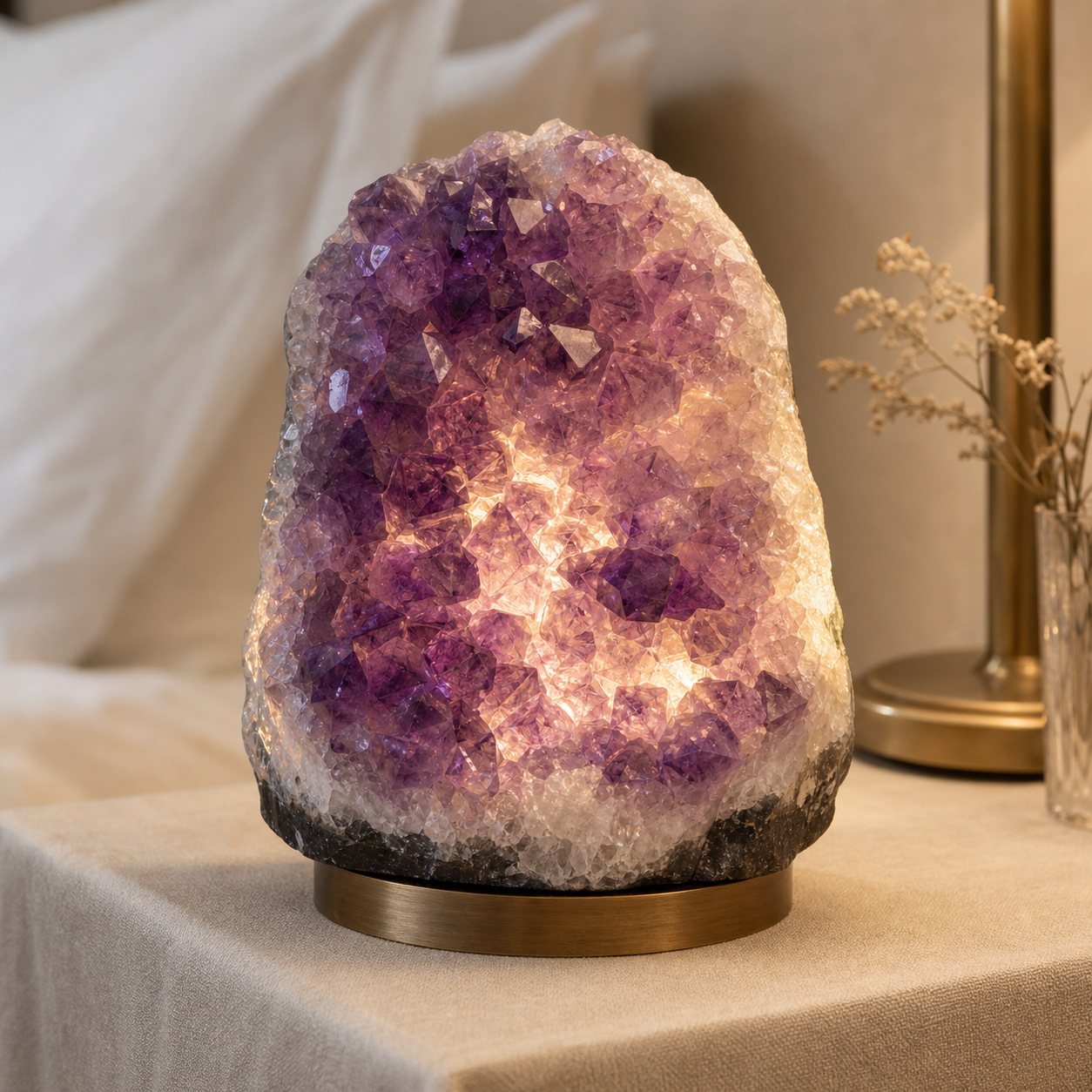
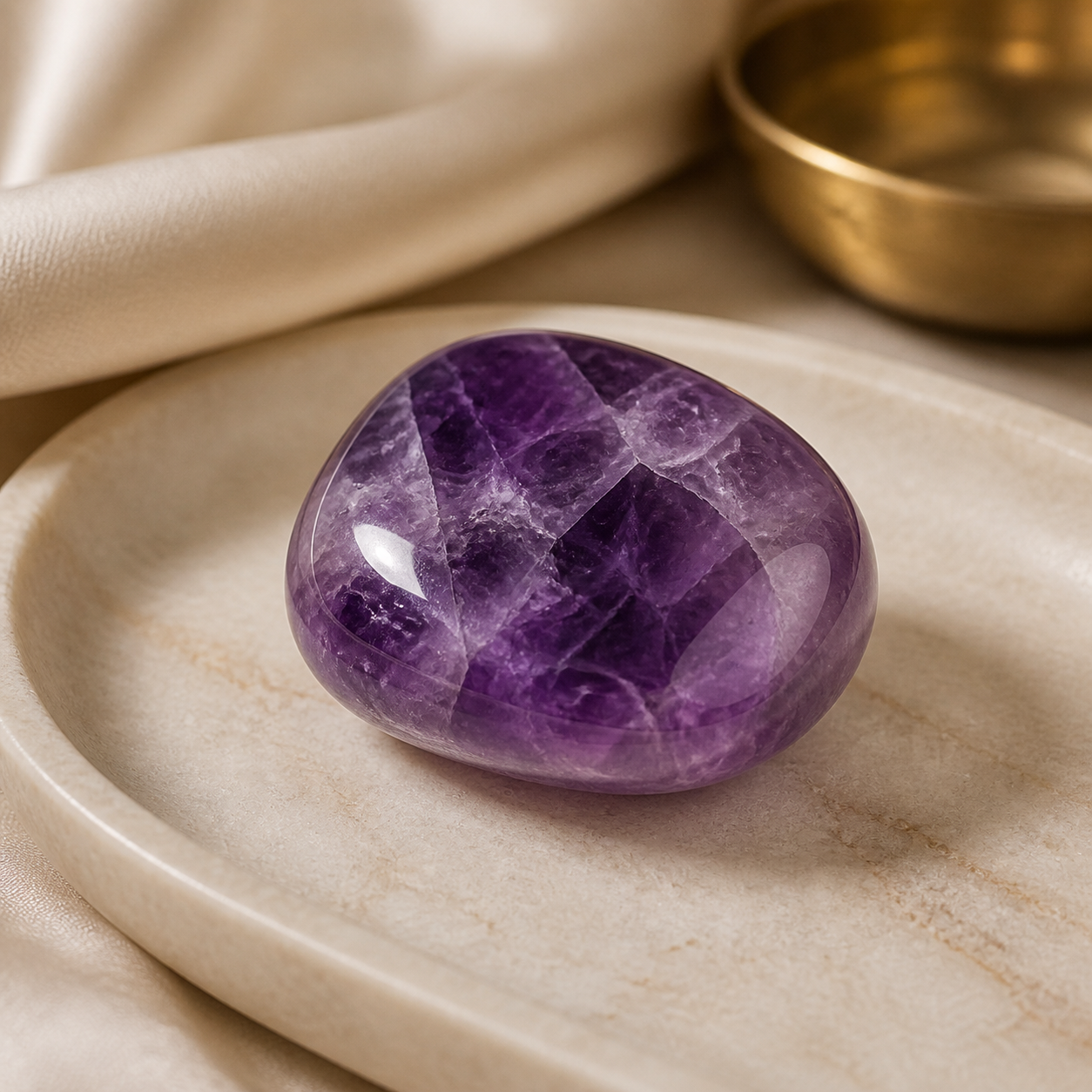
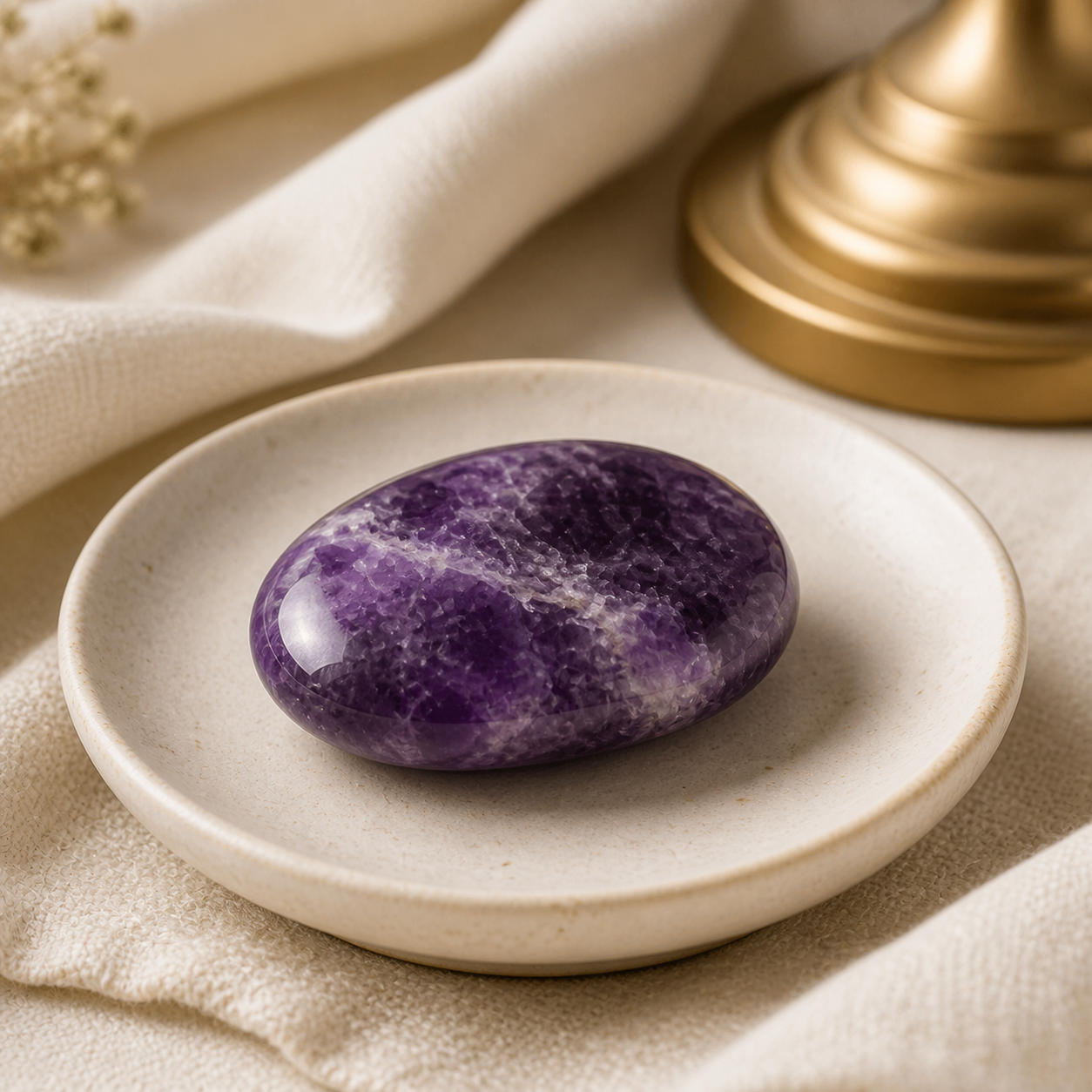
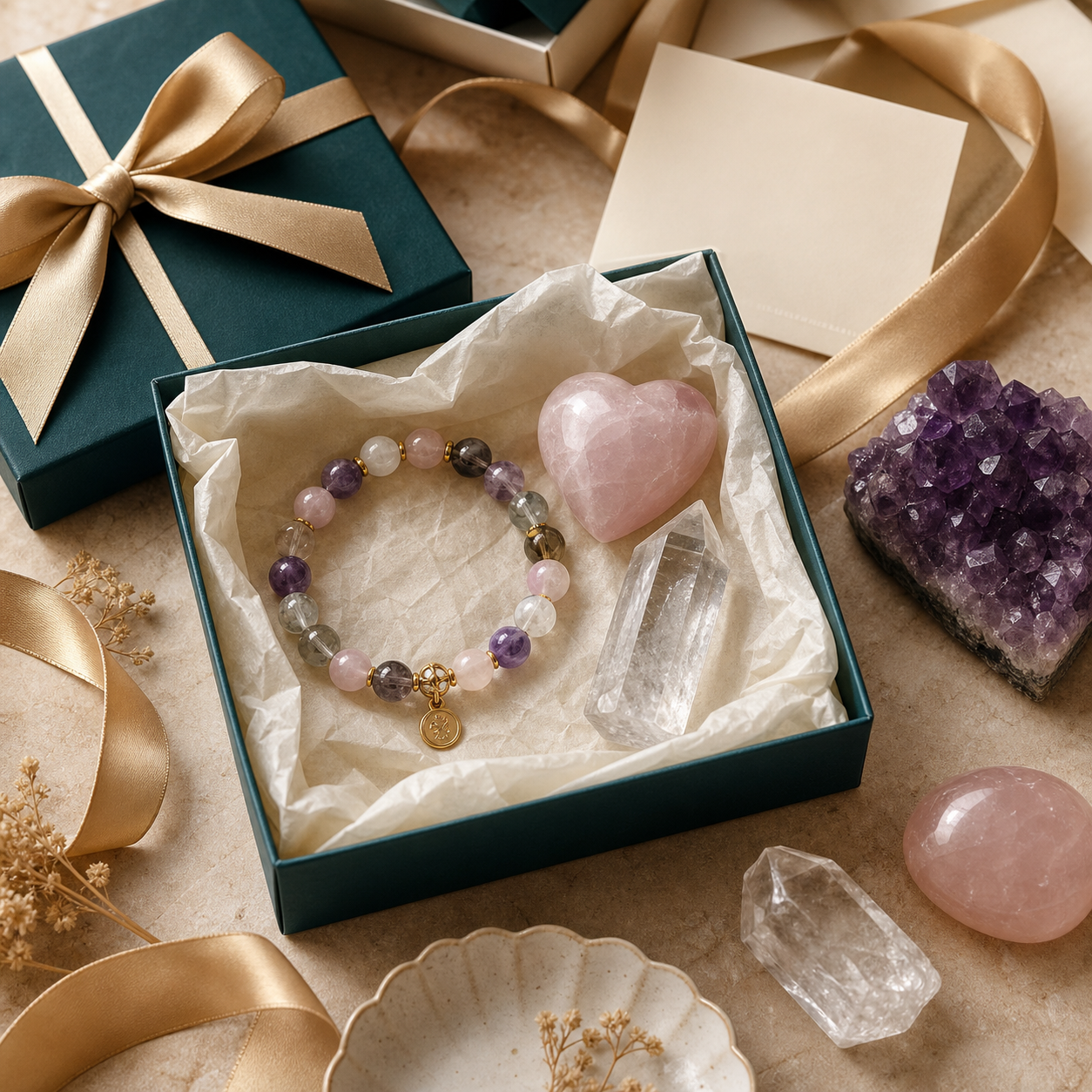
Use amethyst, lapis, or clear quartz while writing one true sentence without turning it into self-criticism.
Use rose quartz or moonstone when the prompt touches shame, grief, relationship repair, or self-kindness.
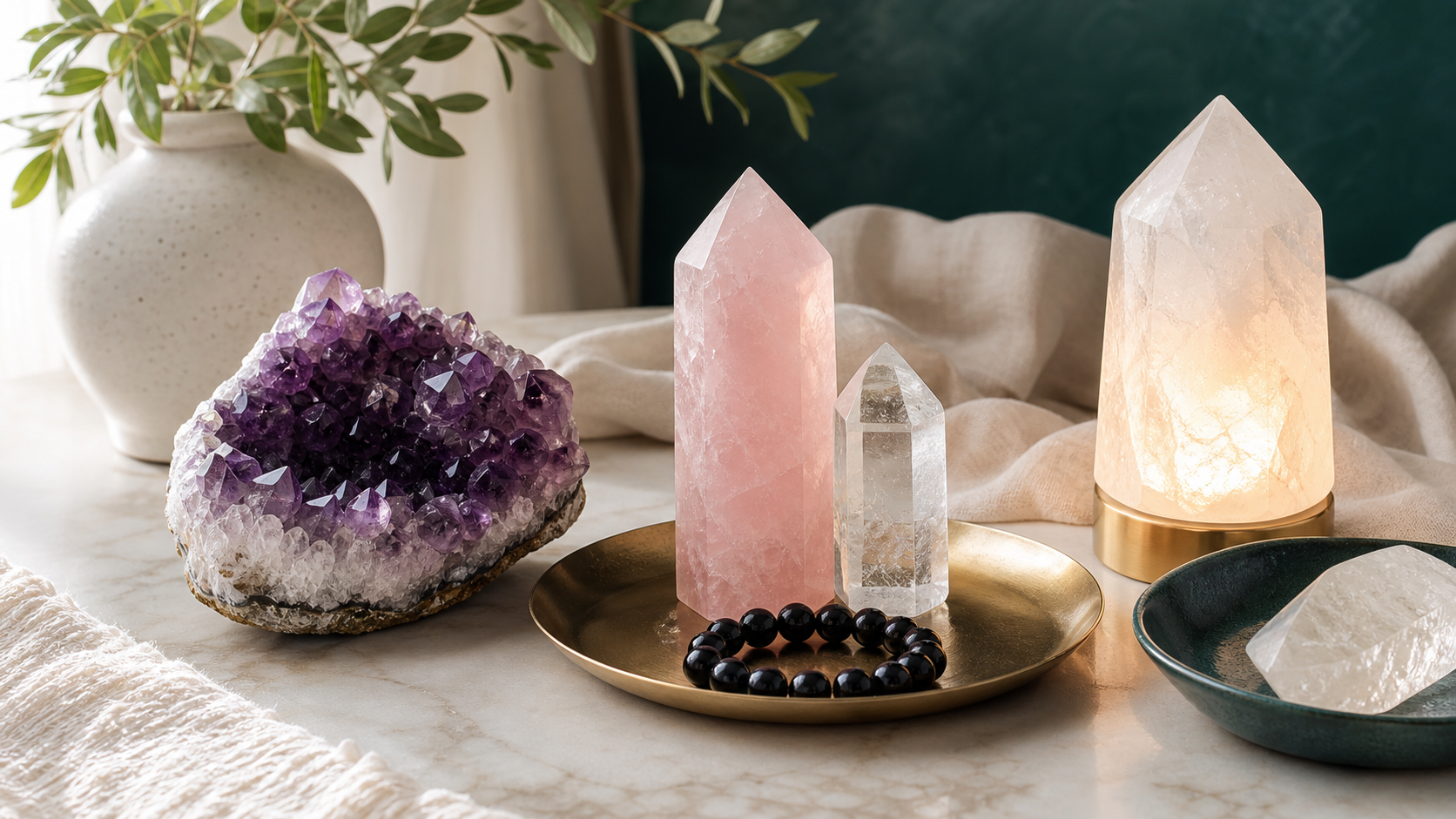
Common symbolic directions include black obsidian, smoky quartz, hematite, amethyst, lapis, rose quartz, moonstone, clear quartz, and selenite-style pieces for closure.
Keep the routine short: choose one prompt, place one stone beside the journal, write what you notice, name one practical next step, and close with grounding.
No. MeCrystal presents shadow work crystals as symbolic journaling objects. They are not therapy, trauma treatment, mental health care, or a substitute for qualified support.